
Designing Logos That Work in Print and on Screen
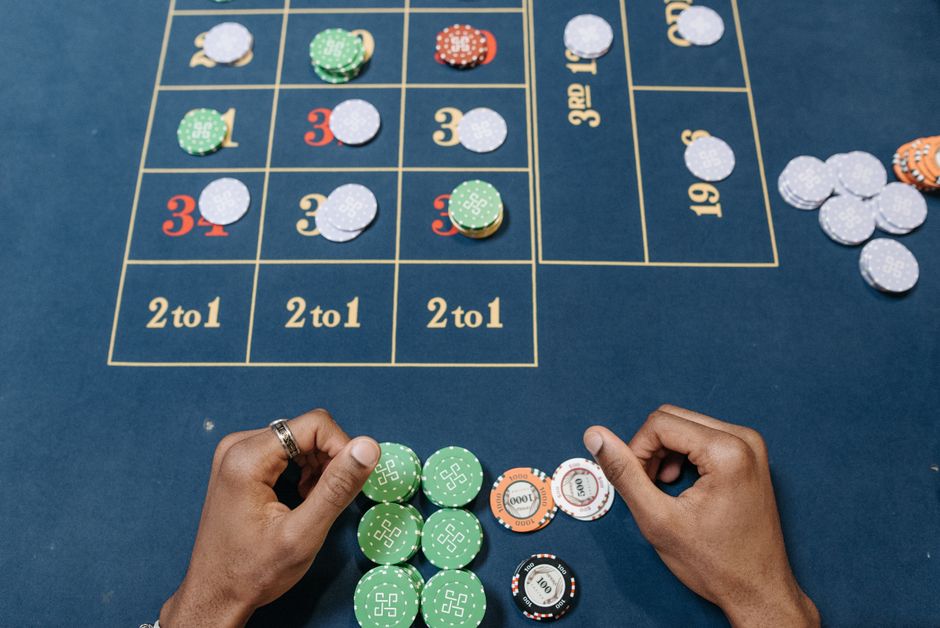
You're about to discover why 4.6 billion people will gamble online by 2025, according to Statista. That's not a typo. iGaming has exploded, and if you're not paying attention, you're missing out on more than just a few spins. Whether you're a slot enthusiast, a poker strategist, or a sports betting fanatic, the digital gambling landscape is evolving fast. Let's cut through the noise and get to what actually matters.
Why Slots Are the Heart of iGaming
Slots account for roughly 70% of all casino gaming revenue worldwide. That's not because they're simple—well, they are to play—but because they're engineered to keep you engaged. Modern video slots like Book of Dead or Starburst aren't just spinning reels; they're mini-movies with bonus rounds, expanding wilds, and free spins that can stretch for dozens of rounds.
But here's the catch: not all slots are created equal. The RTP (return to player) percentage is your best friend. A slot with 96% RTP returns 96 cents for every dollar wagered over time. That sounds generous until you realize a 94% RTP slot gives back only 94 cents—a massive difference over thousands of spins. Always check the RTP before you play. Blood Suckers from NetEnt sits at 98%, while many progressive jackpots hover around 88-92% because a chunk feeds the ever-growing prize pool.
Another tip: volatility matters. Low-volatility slots like Starburst pay small wins frequently, while high-volatility beasts like Bonanza can go cold for 50 spins then explode with a 10,000x multiplier. Match volatility to your bankroll and temperament.
Poker: Where Skill Trumps Luck
Unlike slots, poker is a game of decisions. The house doesn't play against you; you play against other humans. That means over time, the better player wins. But 'better' isn't about bluffing every hand—it's about position, pot odds, and bankroll management.
Let's talk position. In Texas Hold'em, the dealer button acts last on every betting round. Acting last gives you information—you see what everyone else does before you decide. That's why tight-aggressive players open-raise from late position with hands like A-10 offsuit, but fold the same hand under the gun. It's not about the cards; it's about the information advantage. xoilac goes into the finer points.
Pot odds are next. If there's $100 in the pot and your opponent bets $20, you're getting 6-to-1 odds. If your draw has a 20% chance of hitting (4-to-1), you call. If it's only 10% (9-to-1), you fold. Simple math, but most amateurs ignore it and chase gutshots with terrible odds.
Bankroll management is the unsexy hero. Even the best players endure downswings of 20 buy-ins. If you're playing $1/$2 no-limit with a $200 bankroll, one bad session wipes you out. Pros keep at least 20 buy-ins for cash games and 50-100 buy-ins for tournaments. Sound boring? It's the difference between a hobby and a career.
Sports Betting: Data Over Gut Feelings
Sports betting has changed. The days of picking your favorite team because of loyalty are over. Sharp bettors use closing line value—the idea that the final odds before an event starts reflect true probability. If you consistently beat the closing line, you're profitable long-term.
Consider this: NFL underdogs cover the spread about 50% of the time, but public bettors hammer favorites. That creates value on underdogs if you shop for the best line. A half-point difference in spread can swing your win rate by 2-3% over a season. That's the margin between profit and loss.
Also, specialize. Don't bet NBA, MLB, soccer, and tennis all at once. Pick one league—say, the English Premier League—and learn every team's injury reports, travel schedules, and tactical trends. Knowledge is your edge.
Understanding Casino Bonuses (Without the Fine Print Trap)
Welcome bonuses look amazing: '100% up to $500!' But the devil is in the wagering requirements. A 40x wagering requirement on a $500 bonus means you must bet $20,000 before withdrawing a penny. That's nearly impossible on low-volatility slots.
Here's what to check:
- Wagering requirement: Aim for 30x or lower. 20x is excellent.
- Game weighting: Slots usually count 100%, but table games like blackjack may count only 10%. So $100 bet on blackjack equals $10 toward wagering.
- Max bet: Many bonuses cap your bet at $5. Exceed it, and you forfeit the bonus.
- Expiry: 7 days is common. 30 days is player-friendly.
My advice: skip bonuses with wagering over 35x unless you're a high-volume slot grinder. The EV (expected value) is often negative.
Responsible Gambling: The Non-Negotiable Rule
I've seen too many players chase losses at 3 a.m., convinced the next spin will fix everything. It won't. Set a loss limit before you start—say, $100—and stop when you hit it. Use deposit limits, time-outs, and self-exclusion tools that every regulated site offers.
The iGaming industry is moving toward safer gambling. In the UK, the Gambling Commission requires operators to perform affordability checks. In Sweden, players must set deposit limits. This isn't red tape; it's protecting you from yourself.
Remember: gambling is entertainment, not income. If you're betting rent money, you've already lost.
Final Thoughts: Play Smart, Not Hard
iGaming offers incredible entertainment—adrenaline rushes, mental challenges, and community. But the players who last are the ones who treat it like a game, not a get-rich-quick scheme. Learn the RTPs, master position in poker, bet with data, and read bonus terms. Above all, know when to walk away. The house edge is real, but so is your ability to make smarter choices. So spin responsibly, bluff wisely, and bet with your head. See you at the tables.
LEAVE A COMMENT